Menu
Welcome to Nogih Chocolates: Your Vegan Chocolate Experts
At Nogih Chocolates, we’re on a mission to redefine the world of chocolate by combining two essential elements: irresistible indulgence and unwavering commitment to allergen-free excellence.
As the creators of Nogih Chocolates, we bring a wealth of expertise to the table in crafting vegan chocolates and spreads that are not only sumptuously delicious but also rigorously allergen-free. Our journey began with a passion for providing delectable treats that cater to a wide spectrum of dietary needs.
Thank you for choosing Nogih Chocolates – where vegan goodness meets healthy living.
What Are Dairy-Free Chocolates?
Dairy-free chocolates have emerged as a delectable and inclusive alternative to traditional chocolates, offering a Flavourful experience without compromising on taste. Understanding what sets them apart from their dairy-laden counterparts is key to appreciating their significance in today’s diverse dietary landscape.
Defining Dairy-Free Chocolates
Dairy-free chocolates, as the name suggests, are chocolates that do not contain any form of dairy products.
Unlike traditional chocolates, which often incorporate milk powder, butter, or cream, dairy-free chocolates rely on non-dairy ingredients to achieve their rich and creamy texture.
This allows individuals with dietary restrictions, such as lactose intolerance, dairy allergies, and vegans, to savour the joys of chocolate without hesitation.

The Ingredients of Dairy-Free Chocolates:
Dairy-free chocolates are crafted using a thoughtful selection of non-dairy ingredients to replicate the creamy texture and satisfying taste that chocolate enthusiasts adore. Key ingredients often found in dairy-free chocolate production include:
Cocoa Mass: At the heart of dairy-free chocolates lies cocoa mass or cocoa liquor, which is extracted from roasted cocoa beans. It provides the foundational cocoa flavour and aroma.
Cocoa Butter: Cocoa butter, derived from cocoa beans, is the component that adds smoothness and a melt-in-your-mouth quality to the chocolate. It’s a crucial ingredient in achieving the desired texture.
Non-Dairy Milk: To replace traditional dairy milk, dairy-free chocolates often incorporate non-dairy alternatives such as almond milk, coconut milk, soy milk, or rice milk. These milk substitutes contribute to the creamy consistency without using animal-derived ingredients.
Sweeteners: Sweeteners like cane sugar, coconut sugar, or agave nectar are used to balance the natural bitterness of cocoa and create the desired level of sweetness in dairy-free chocolates.
Flavor Enhancers: Depending on the recipe, additional flavour enhancers may be added, such as vanilla extract, sea salt, or natural fruit extracts, to create a well-rounded and delightful taste profile.


Dark Chocolate
Dark chocolate, renowned for its bold and intense flavour, typically contains cocoa solids, cocoa butter, and sugar. The percentage of cocoa content varies, often ranging from 50% to 90% or more. The higher the cocoa percentage, the more robust and less sweet the chocolate.
Non-Dairy Chocolate
Non-dairy or vegan chocolate replaces traditional dairy components with plant-based alternatives like almond or coconut milk. The cocoa content varies, and it often aligns with dark chocolate, ranging from 50% to 90% cocoa solids. This adaptation ensures a creamy texture and rich flavour without the use of dairy.
Milk Chocolate
Milk chocolate, known for its sweeter taste and smoother consistency, incorporates milk powder or condensed milk along with cocoa solids and cocoa butter. The cocoa content in milk chocolate typically ranges from 10% to 50%, making it milder compared to dark chocolate. The presence of milk contributes to its creaminess and sweetness.
The Importance of Dairy-Free Chocolates:
Understanding the significance of dairy-free chocolates goes beyond their ingredient list. These chocolates play a vital role in accommodating diverse dietary needs and preferences:
Lactose Intolerance: For individuals with lactose intolerance, dairy-free chocolates provide a delicious solution that doesn’t lead to digestive discomfort.
Dairy Allergies: Dairy allergies are prevalent, particularly among children. Dairy-free chocolates offer a safe and enjoyable chocolate option for those with dairy allergies.
Vegan Lifestyles: Vegans, committed to abstaining from all animal products, including dairy, find dairy-free chocolates essential. These chocolates allow them to savour the joys of cocoa while staying true to their ethical choices.
Health-Conscious Choices: Dairy-free chocolates often contain less saturated fat compared to traditional milk chocolates, making them a heart-healthy option for individuals aiming to reduce their saturated fat and cholesterol intake.
Health Benefits of Dairy-Free Chocolates
Dairy-free chocolates aren’t just a treat for the taste buds; they also bring several health advantages to the table. These benefits stem from their unique composition, which excludes dairy-derived ingredients, leading to a reduction in saturated fat and cholesterol content. Here’s why choosing dairy-free chocolates can align with heart-healthy and vegan diets while satisfying your sweet cravings.
Benefits of Dairy-Free Chocolates:
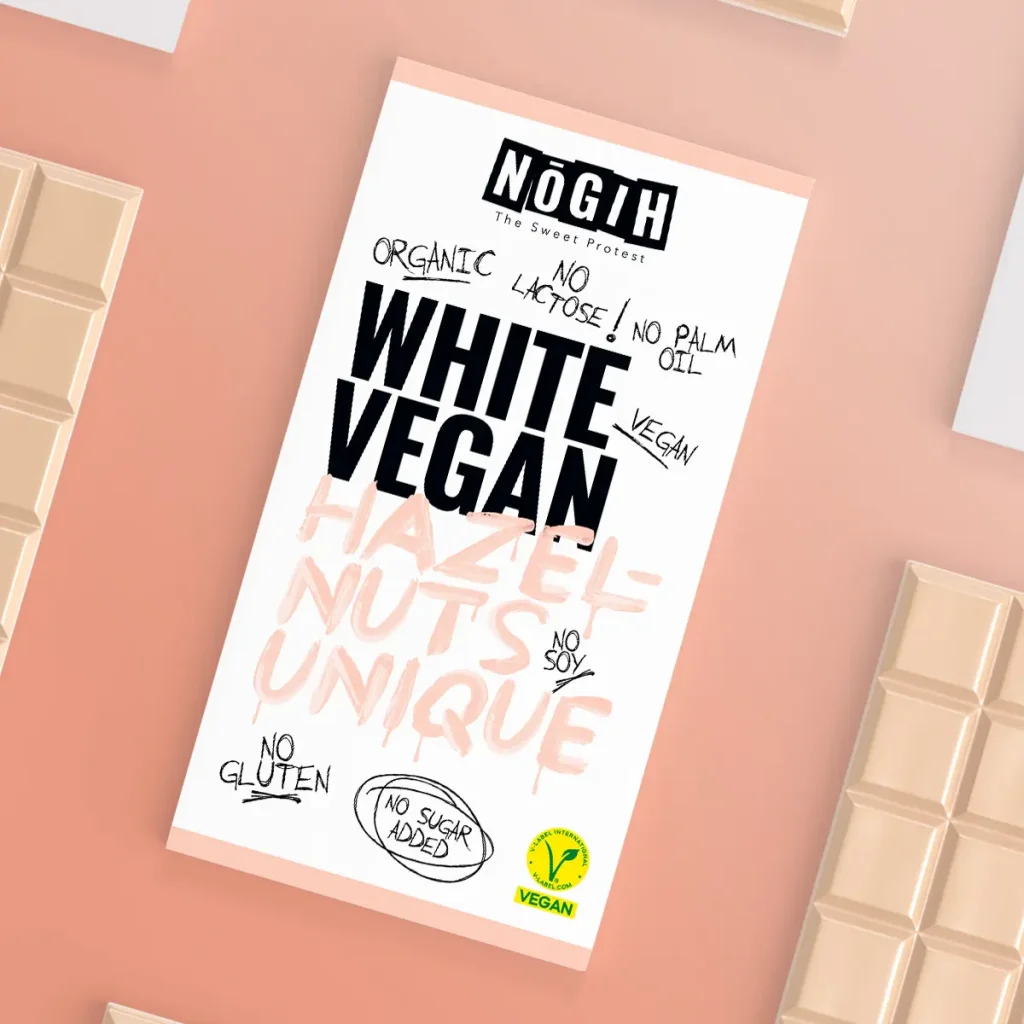
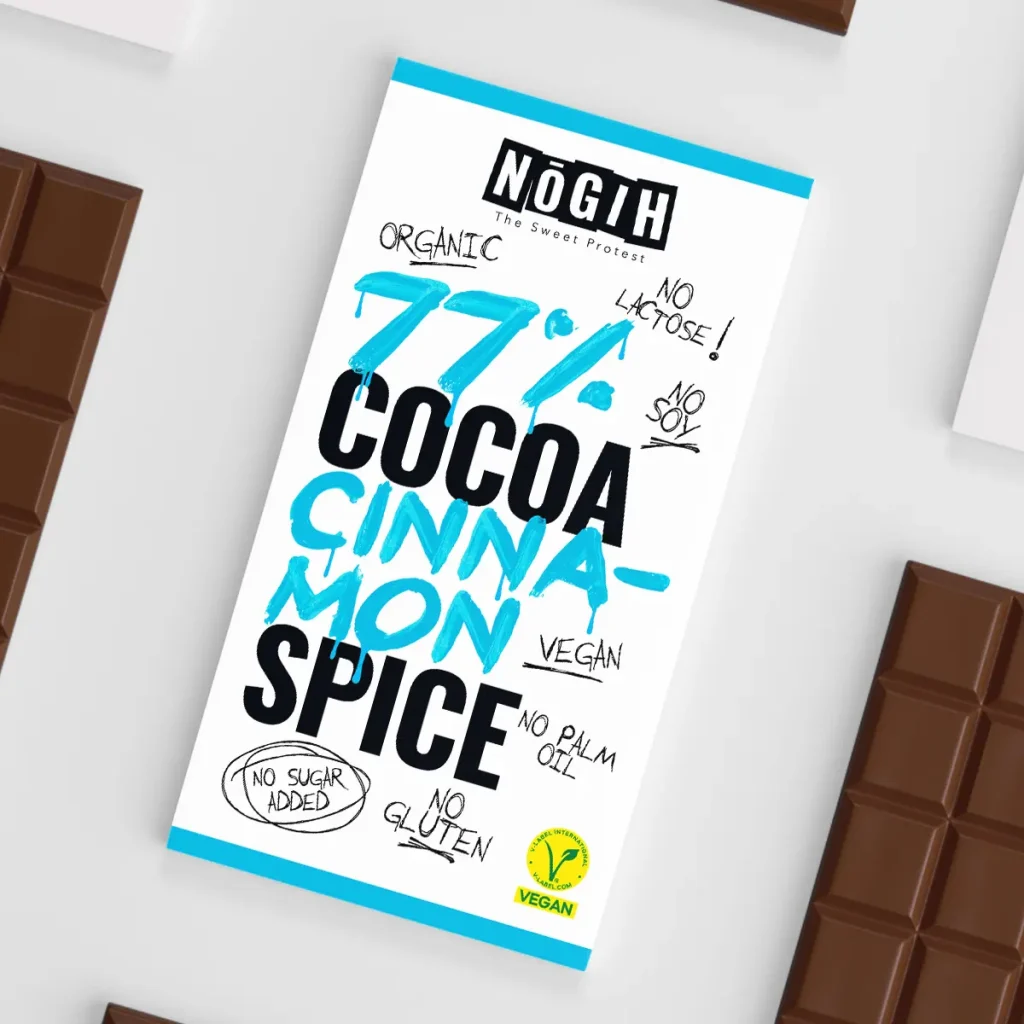
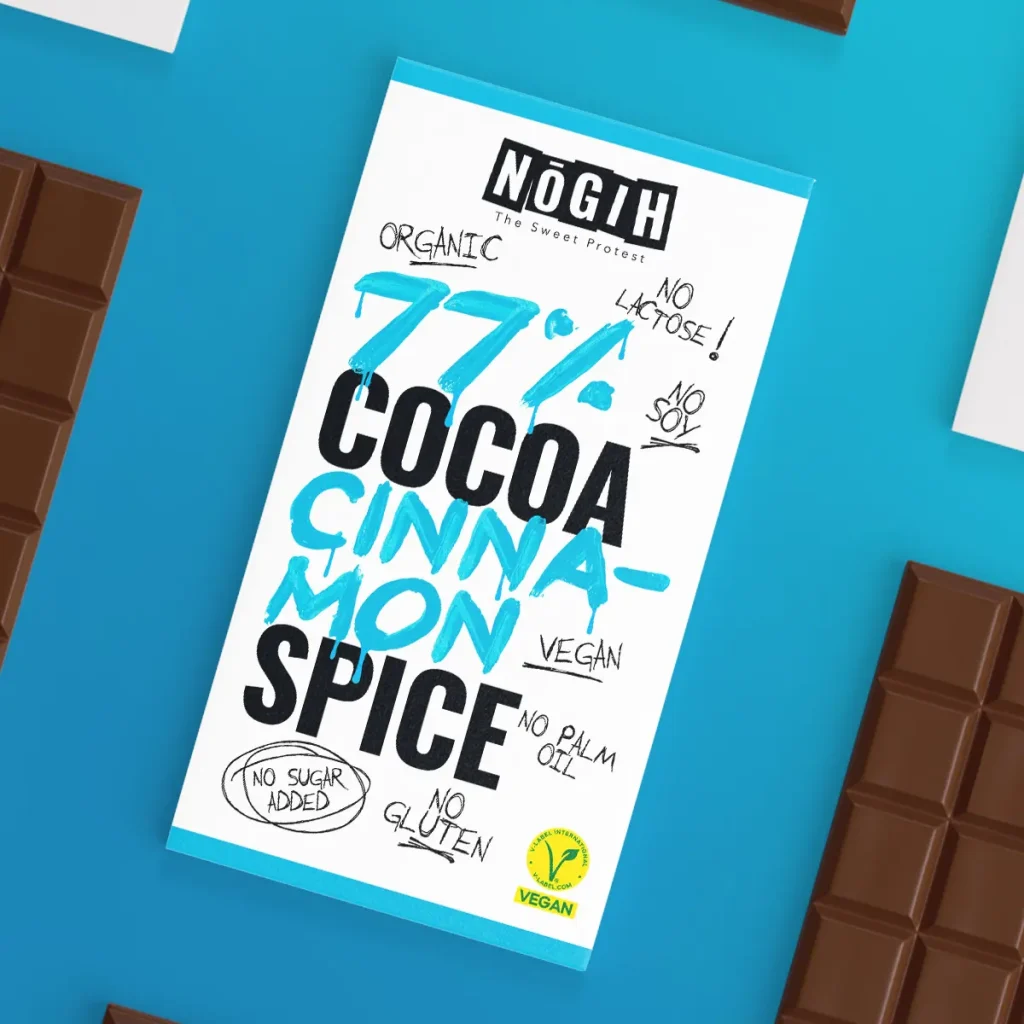
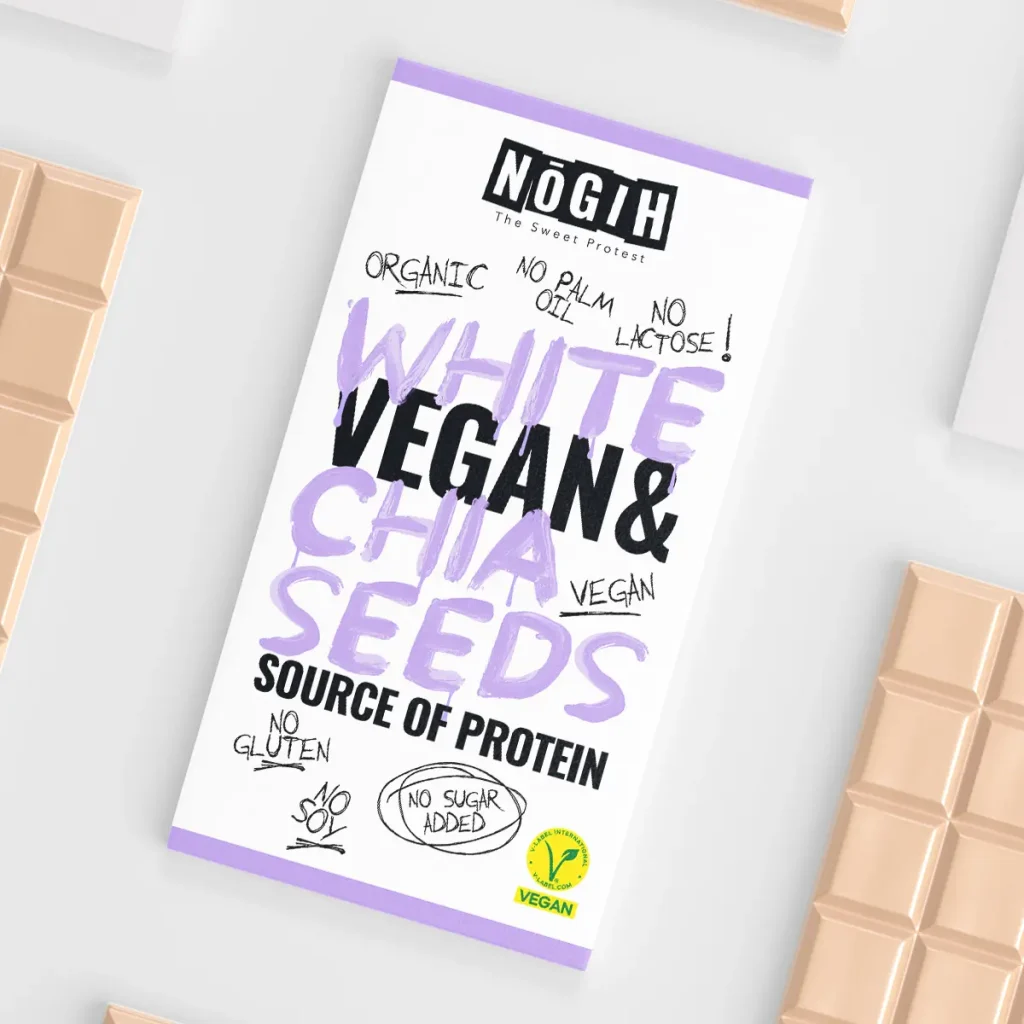
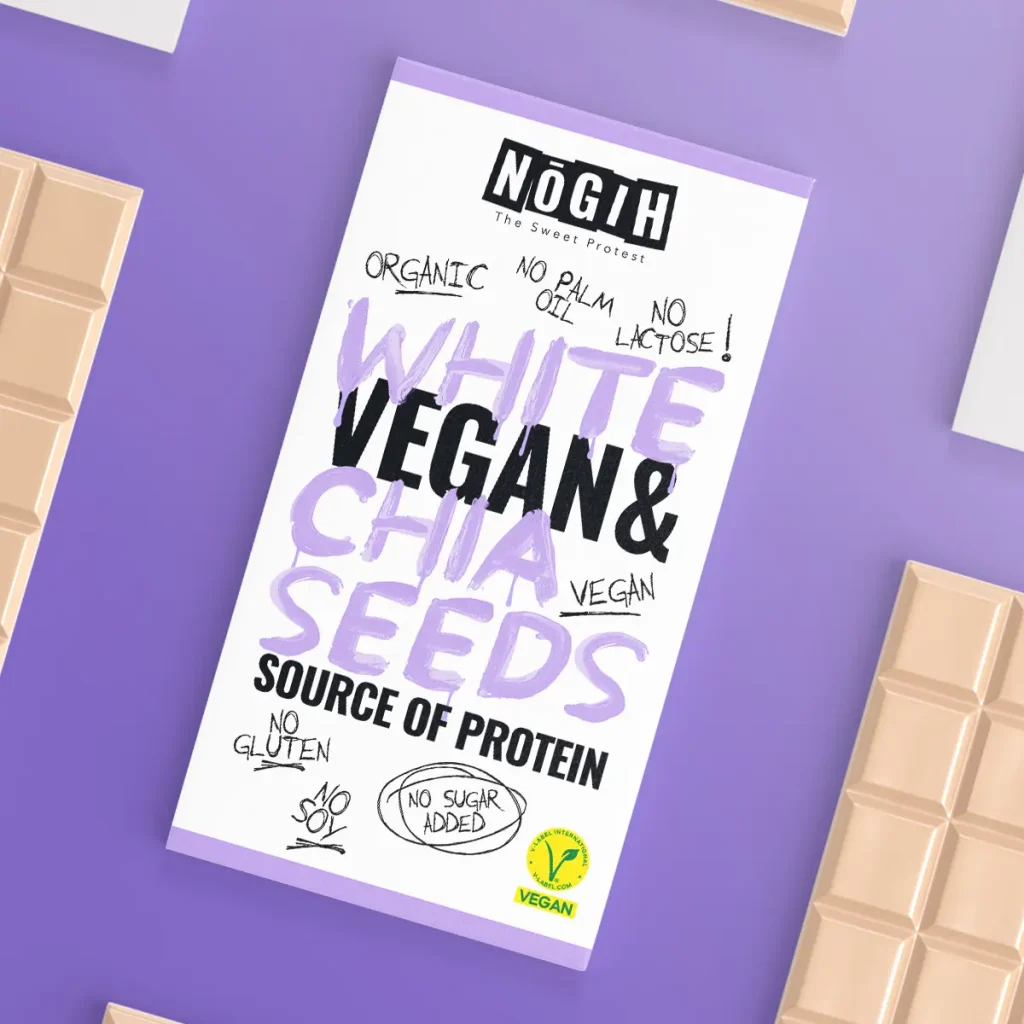
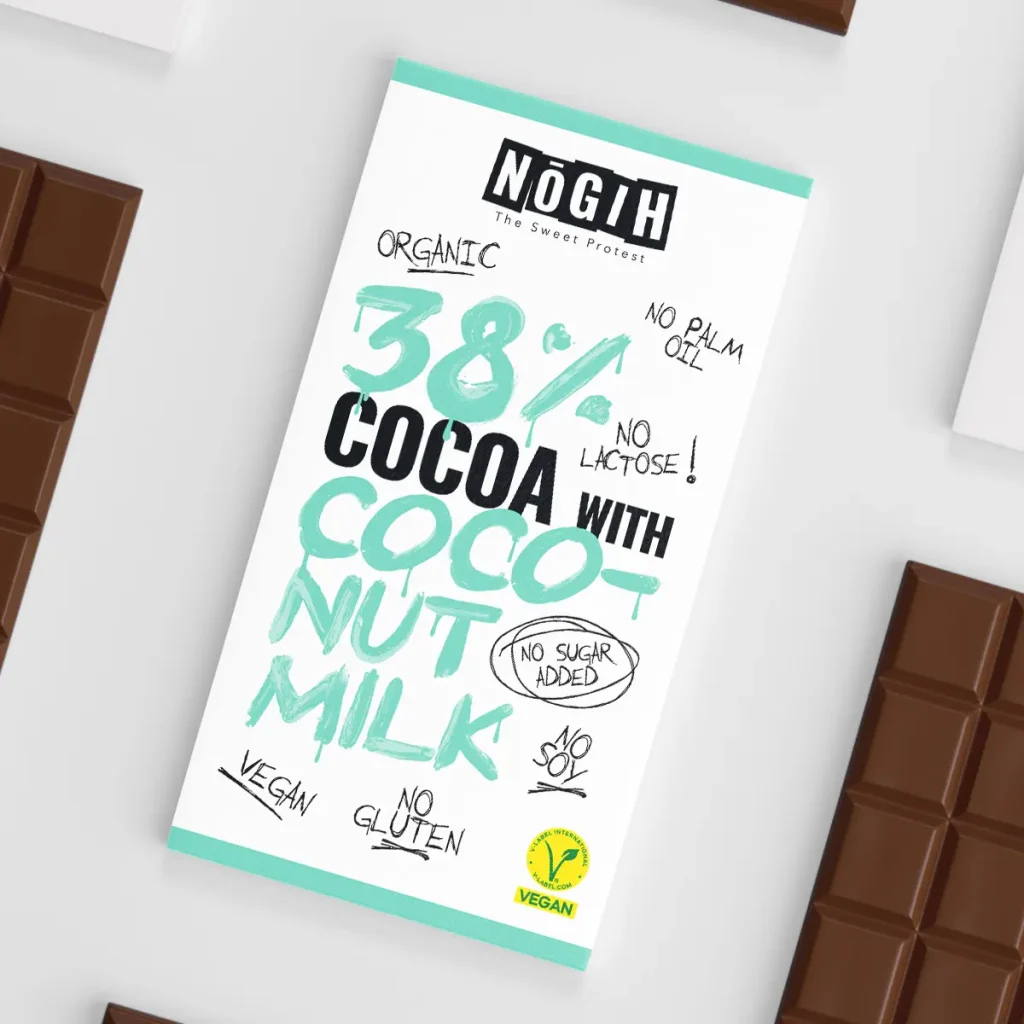
Try our Bestseller Dairy-Free Chocolates!

Common FAQs
Dairy-free chocolates rely on alternative ingredients to create a creamy and delicious texture without the use of dairy products. Common substitutes include plant-based options such as coconut milk, almond milk, soy milk, or rice milk. Additionally, dairy-free chocolates often use dairy-free cocoa butter to achieve a smooth consistency.
Yes, dairy-free chocolates are suitable for lactose-intolerant individuals. Since they do not contain any milk or milk-derived ingredients, they provide a tasty and safe alternative for those with lactose intolerance.
To maintain the freshness of dairy-free chocolates, store them in a cool, dry place, away from direct sunlight and strong odors. You can also refrigerate them, especially if they contain ingredients like coconut oil that might soften in warmer temperatures. Always check the packaging for specific storage recommendations.
Dairy-free chocolates can be gluten-free, but it’s essential to check the product labels. Some dairy-free chocolates may contain gluten if they have additional ingredients like cookies or other mix-ins. Always look for chocolates that are explicitly labeled as both dairy-free and gluten-free if you have dietary restrictions.
Baking and Cooking with Dairy-Free Chocolates
Dairy-free chocolates are a versatile ingredient that can elevate your baking and cooking endeavors, providing the same indulgent Flavours and textures as traditional chocolates without dairy-related concerns. Whether you’re whipping up desserts, confections, or savoury dishes, here are some valuable tips and techniques to make the most of dairy-free chocolates in your culinary adventures.

1. Melting Dairy-Free Chocolates
When melting dairy-free chocolates, use a gentle, low-heat method to prevent scorching or seizing. Double boiling or a microwave in short bursts with stirring in between is recommended.
Opt for dairy-free chocolate chips or chunks, which melt evenly and are convenient for recipes.
2. Substituting Dairy-Free Chocolate for Regular Chocolate
In recipes calling for regular chocolate, you can often substitute dairy-free chocolate one-to-one. This makes it easy to adapt your favourite recipes to be dairy-free.
Be mindful of the cocoa content when substituting. Dark chocolate works well in recipes calling for semi-sweet or bittersweet chocolate.


3. Baking Tips
When baking with dairy-free chocolates, consider reducing the overall sugar content in your recipe slightly. Dairy-free chocolates tend to be sweeter than their dairy-containing counterparts.
Add dairy-free chocolate chips or chunks to your cookie, muffin, or brownie batter for an irresistible chocolatey crunch.
4. Vegan Ganache
To make a dairy-free ganache for glazing cakes or pastries, heat dairy-free chocolate chips or chunks with coconut cream or almond milk until smooth and glossy. Use a 1:1 ratio by weight for the best results.


5. Be Mindful of Allergens
Dairy-Free Chocolate Frosting:
Create dairy-free chocolate frosting by beating dairy-free margarine or coconut oil with melted dairy-free chocolate and powdered sugar until creamy. Adjust the consistency with more milk if needed.
6. Savoury Dishes
Don’t limit dairy-free chocolate to desserts only. Experiment with cocoa powder or dark chocolate in savory dishes like chili, mole sauce, or barbecue rubs for a unique flavor depth.


7. Garnishing
Grate or shave dairy-free chocolate over dairy-free ice cream, cakes, or hot beverages for an elegant and decadent garnish.
8. Storing Dairy-Free Chocolates:
Store dairy-free chocolates in a cool, dry place away from direct sunlight. Proper storage ensures they maintain their quality and flavour.
By embracing these tips and techniques, you can seamlessly incorporate dairy-free chocolates into your culinary repertoire, allowing you to create a wide range of dairy-free treats and dishes that are equally delicious and accommodating to dietary preferences. Dairy-free chocolates open doors to culinary creativity and ensure that everyone can enjoy your creations without compromise.

Types of Dairy-Free Chocolates
Dairy-free chocolates come in a tantalising array of options, each with its unique flavour profile and characteristics. As the demand for dairy-free treats continues to rise, it’s essential to explore the diverse range of dairy-free chocolates available to cater to various preferences and dietary needs.
Do you have any other needs?
Social feed
Social feed
Social feed
Social feed

