Menu
Welcome to Nogih Chocolates: Your Vegan Chocolate Experts
At Nogih Chocolates, we’re on a mission to redefine the world of chocolate by combining two essential elements: irresistible indulgence and unwavering commitment to allergen-free excellence.
As the creators of Nogih Chocolates, we bring a wealth of expertise to the table in crafting vegan chocolates and spreads that are not only sumptuously delicious but also rigorously allergen-free. Our journey began with a passion for providing delectable treats that cater to a wide spectrum of dietary needs.
Thank you for choosing Nogih Chocolates – where vegan goodness meets healthy living.
Understanding Diabetes, Pre-diabetes, and Diet
Unravel the complexities of blood sugar regulation and discover practical dietary approaches to promote overall health and well-being.
Diabetes Types and Pre-diabetes
Diabetes is a chronic medical condition that affects how your body processes glucose (sugar), leading to elevated blood sugar levels. There are two main types of diabetes: Type 1 and Type 2. Type 1 diabetes is an autoimmune condition where the body doesn’t produce insulin, requiring lifelong insulin injections. Type 2 diabetes occurs when the body becomes resistant to insulin or doesn’t produce enough insulin, often linked to lifestyle factors.
Pre-diabetes is a condition where blood sugar levels are higher than normal but not yet at the diabetic range. It’s a warning sign that you’re at risk of developing Type 2 diabetes if dietary and lifestyle changes aren’t made.
Dietary Implications:
Diet plays a pivotal role in managing diabetes and pre-diabetes. For those with Type 1 diabetes, precise insulin management is necessary, while individuals with Type 2 diabetes and pre-diabetes can often control their condition through diet and lifestyle choices.
Glycemic Index (GI):
The Glycemic Index (GI) is a ranking system that measures how quickly carbohydrates in foods raise blood sugar levels. Foods with a high GI are rapidly digested and cause sharp spikes in blood sugar, while those with a low GI are digested more slowly and result in gradual blood sugar increases.
Understanding the GI is crucial for individuals with diabetes and pre-diabetes, as it helps them make informed food choices. Low-GI foods are preferable as they help maintain stable blood sugar levels and prevent sudden spikes.
Role of Sugar, Carbohydrates, and Fats:
While dark chocolate has its perks, it’s crucial to consume it in moderation. Excessive consumption of chocolate, or any other caffeinated prod-uct, should be avoided during pregnancy. To strike the right balance,you should choose high-quality chocolate that is, ideally, low in sugar. Caffeine is a stimulant that can harm the fetus, so pregnant women should not consume more than 20g per day in total. 100g of dark chocolate contains about 8g of caffeine, so enjoy it in moderation and don’t drink too much coffee.
Chocolate and Diabetes The Perfect Balance
Chocolate Types and Composition
Chocolate comes in various forms, with the most common being dark, milk, and white chocolate. These chocolates differ in their ingredients and composition:
The impact varies depending on factors such as the type of chocolate, serving size, and individual sensitivity. Here’s how chocolate affects diabetes:
Importance of Moderation and Portion Control:
For individuals with diabetes, moderation, and portion control are key when enjoying chocolate. Here are some guidelines to keep in mind:
Tip: Quality Over Quantity: Choose high-quality chocolate with a rich cocoa flavor. You may find that you’re satisfied with less when the chocolate is flavorful and satisfying.
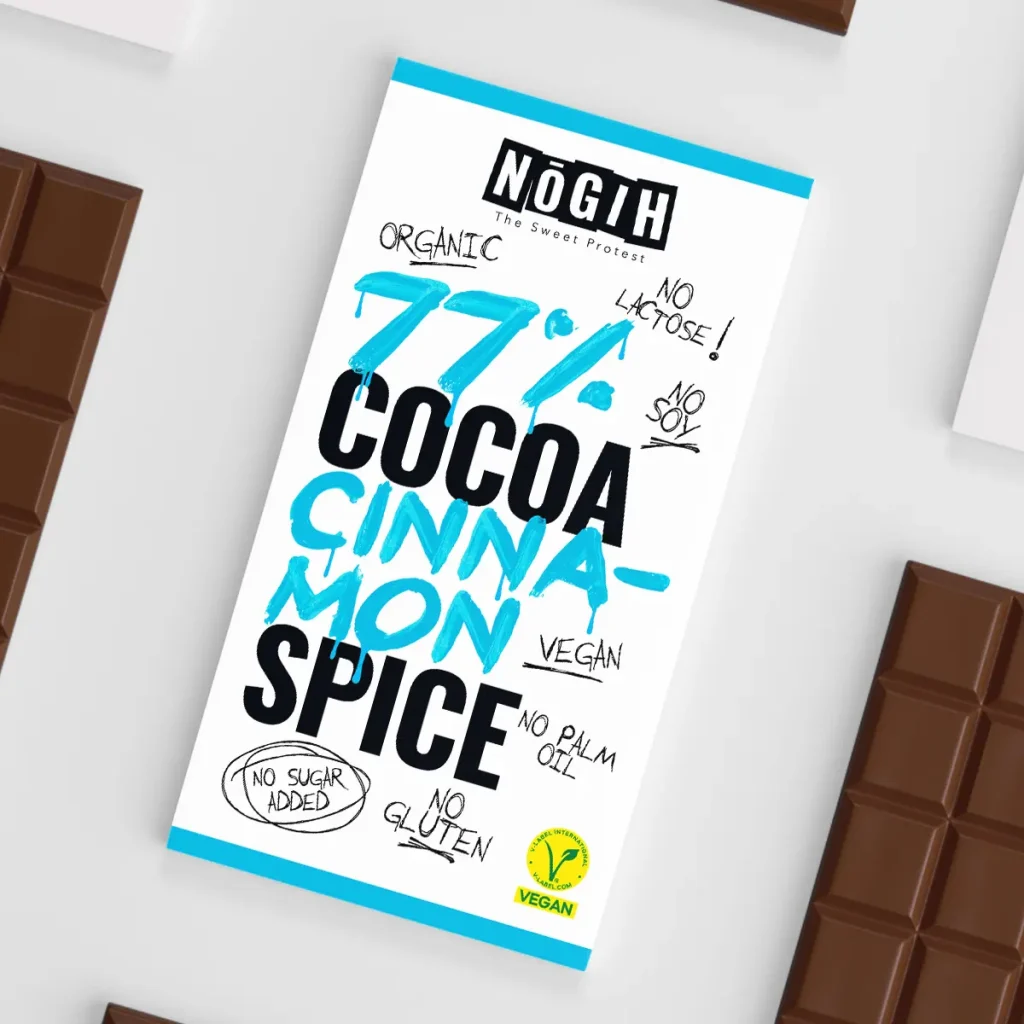
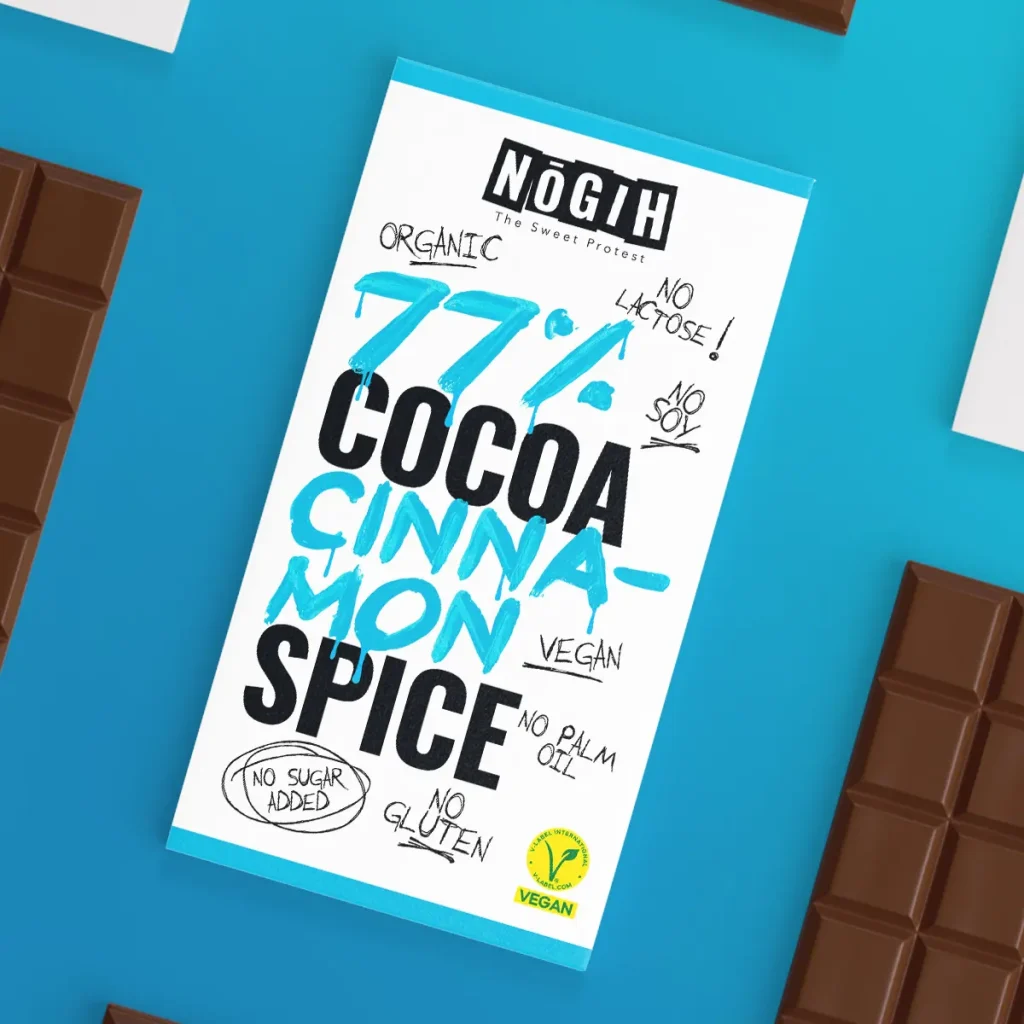
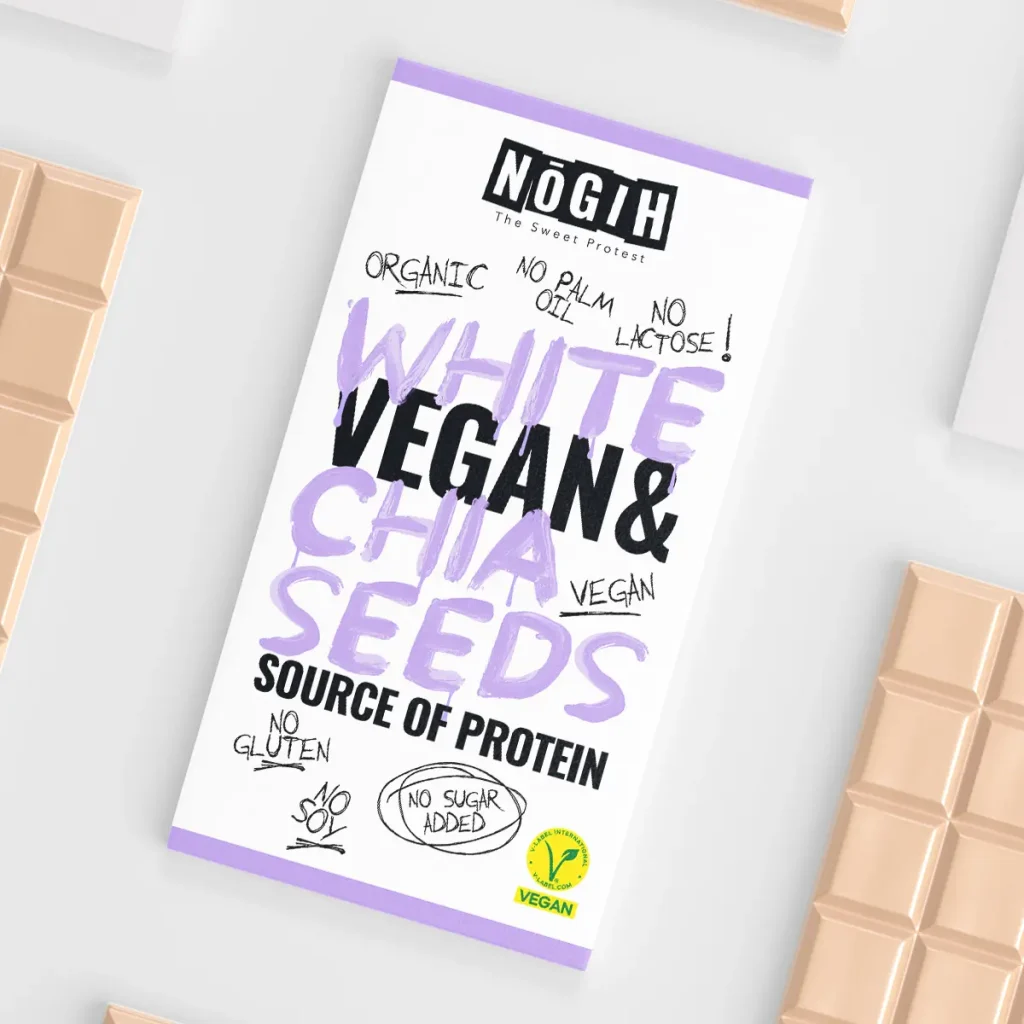
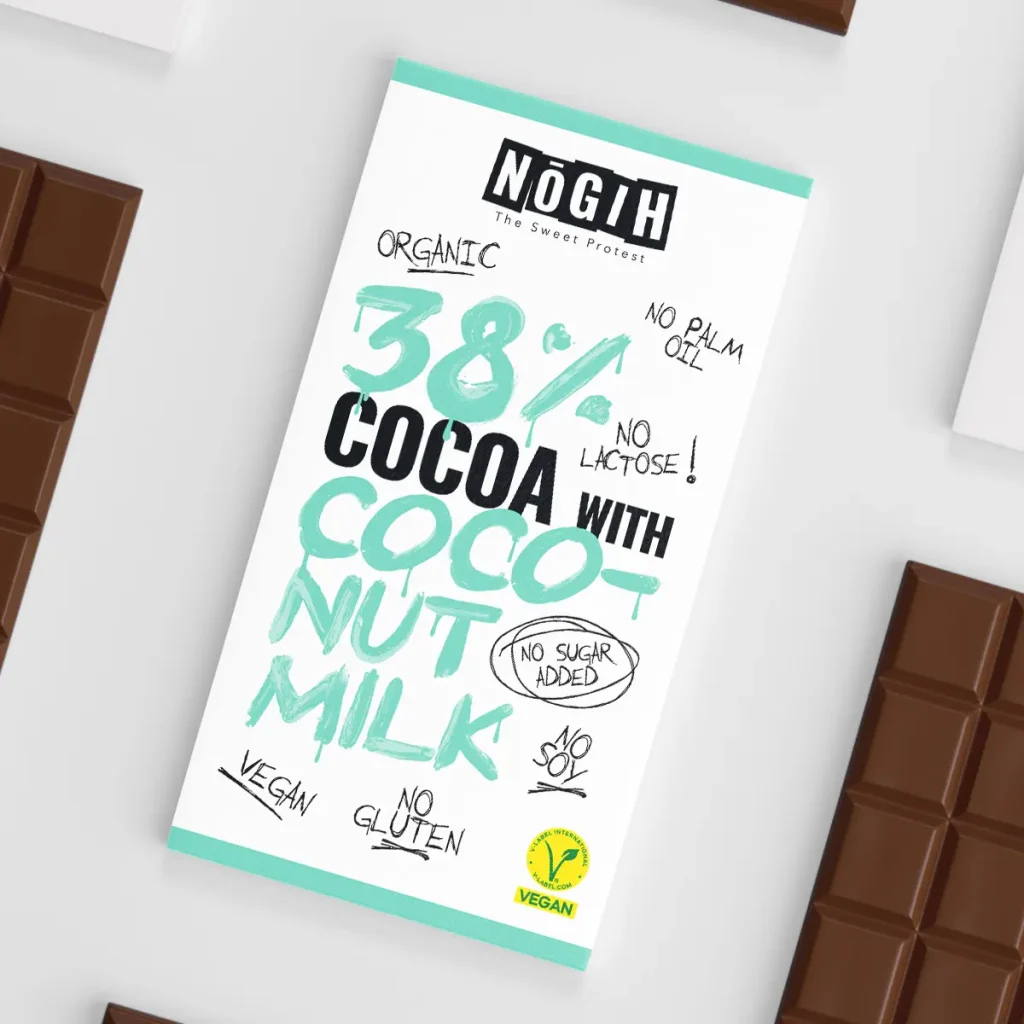
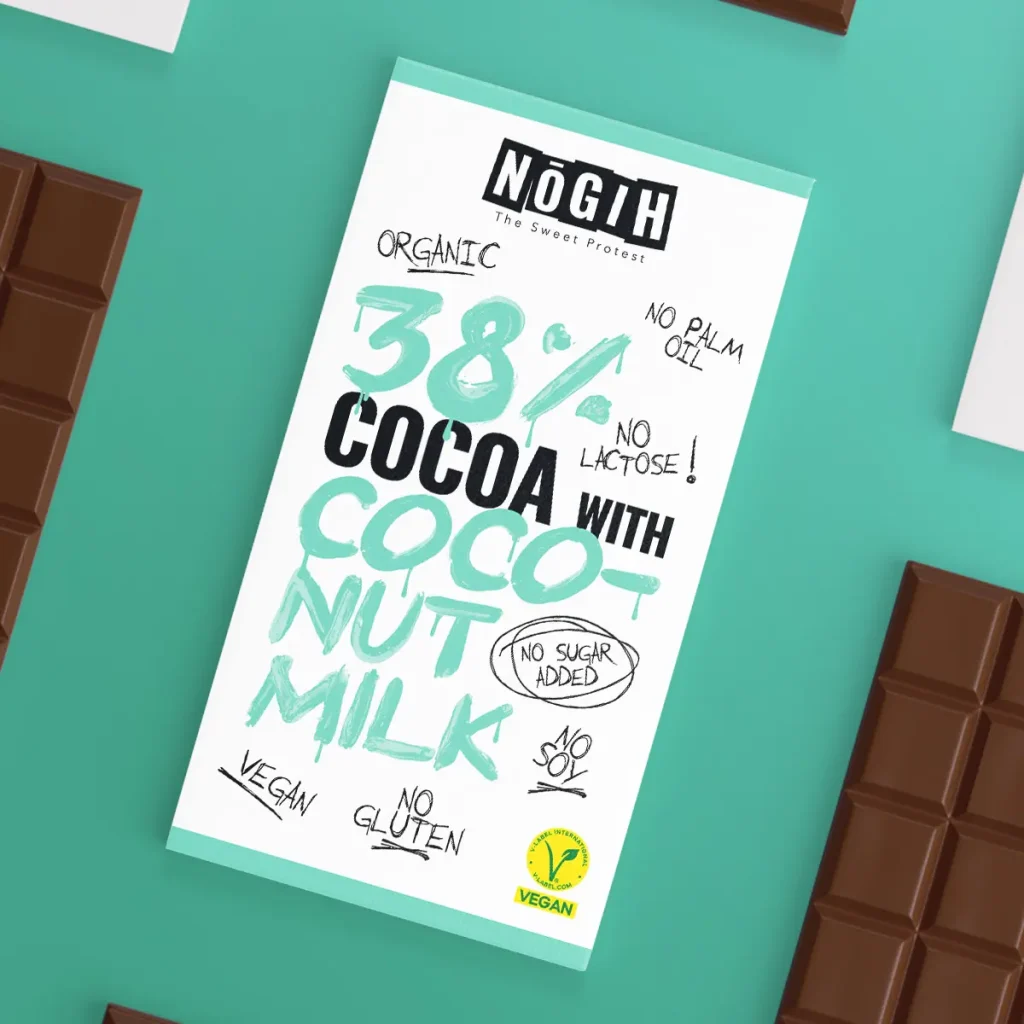
Try our Bestsellers for diabetics!



Common FAQs
Yes, individuals with diabetes can enjoy chocolate in moderation. Opting for high-quality, dark chocolate with a higher cocoa content and lower sugar can be a better choice. It’s crucial to be mindful of portion sizes and incorporate chocolate into a well-balanced and controlled diet.
Yes, dark chocolate is generally considered a better choice for individuals with diabetes. Dark chocolate contains higher cocoa content, which provides antioxidants and typically has less sugar compared to milk chocolate. The lower sugar content contributes to a slower impact on blood sugar levels.
Regular and moderate consumption of chocolate is unlikely to lead to diabetes. However, excessive intake of sugary chocolates may contribute to weight gain, which is a risk factor for type 2 diabetes. It’s essential to maintain a balanced diet and a healthy lifestyle to reduce the risk of developing diabetes.
Regular and moderate consumption of chocolate is unlikely to lead to diabetes. However, excessive intake of sugary chocolates may contribute to weight gain, which is a risk factor for type 2 diabetes. It’s essential to maintain a balanced diet and a healthy lifestyle to reduce the risk of developing diabetes.
Benefits of Vegan Chocolate for Individuals with Diabetes
Vegan chocolate presents a delectable solution for individuals with diabetes who crave the sweet indulgence of chocolate while being mindful of their health. Here are some compelling reasons why vegan chocolate can be an excellent choice:

1. Lower Sugar Content
Vegan chocolates typically contain less refined sugars or alternative sweeteners like agave nectar, coconut sugar, or stevia. This can help prevent rapid spikes in blood sugar levels.
2. No Dairy
Vegan chocolate is dairy-free, making it suitable for individuals who are lactose intolerant or prefer to avoid dairy due to its impact on insulin sensitivity.


3. Less Processed Ingredients
Many vegan chocolates are crafted with natural, minimally processed ingredients, reducing the presence of additives and artificial flavors that can negatively affect blood sugar levels.
4. Healthier Fats
Vegan chocolate often incorporates healthier fats like coconut oil or cocoa butter, which may have a more favorable impact on insulin response.


5. Rich in Antioxidants
Dark vegan chocolates, in particular, are rich in cocoa flavonoids, which can offer potential benefits for heart health and insulin sensitivity when consumed in moderation

Do you have any other needs?
Social feed
Social feed
Social feed
Social feed

